What Is a Trucker Jacket? Construction, Fit, and How to Wear It Right
September 09, 2026

“Trucker jacket,” “denim jacket,” and “jean jacket” are often treated as three names for the same thing. Close, but not quite.
A pointed shirt-style collar, defined waistband, front closure, and chest pockets or prominent front paneling. Denim is the traditional material, though the shape also appears in suede, leather, canvas, and corduroy.
That compact construction gives the jacket its character. It also makes length, layering, and trouser proportions especially important.
This blog will explain what defines a trucker jacket, how its construction shapes the fit, and how to wear it without getting the proportions wrong.
What Makes a Trucker Different From Other Denim Jackets?
“Denim jacket” describes a broad material category. “Trucker” usually points to a more specific shape.
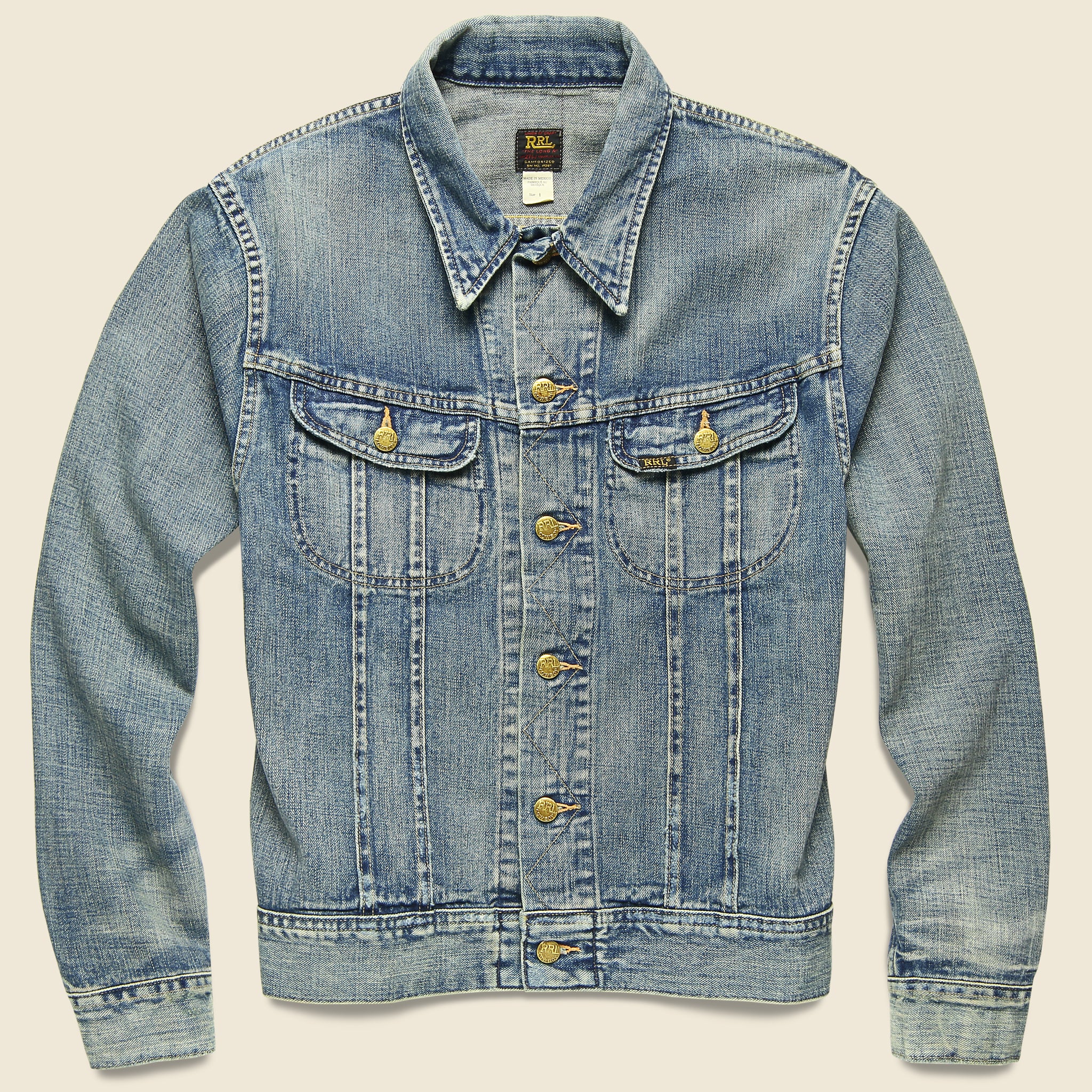
Most trucker jackets share several visual cues:
-
A short body finishing near the waistband or upper hip
-
A pointed shirt-style collar
-
A button or occasional zip front
-
Chest pockets and visible front paneling
-
Buttoned cuffs, often with metal shank buttons
-
Side or rear waist adjusters on many versions
A chore jacket generally falls lower and places larger patch pockets near the waist. An overshirt is softer and behaves more like a substantial shirt. A work coat offers greater coverage and a straighter body.
The lines sometimes blur, but the short, structured silhouette remains the clearest clue.
Read the Construction From Collar to Hem
Every detail contributes to the way a trucker sits on the body. Look past the denim wash for a moment, and the design becomes easier to understand.
Collar, Closure, and Cuffs
The firm point collar frames a T-shirt, henley, knit, or casual button-down without adding much bulk. Metal buttons reinforce the workwear character, although some modern versions use zippers.
Cuffs should close comfortably over a shirt sleeve without gripping the wrist. When worn open, the front panels should fall cleanly instead of flaring away from the torso.
Chest Pockets and Front Paneling
Chest pockets place visual weight high on the body. On the familiar Type III design, V-shaped front seams point toward the waistband and give the torso a more tapered appearance.
Earlier styles use pleats and different pocket arrangements, creating a boxier shape. Hand pockets also vary. Some historically influenced jackets leave them out entirely, so their absence is not necessarily a flaw.
The Short Body and Defined Waistband
A trucker jacket is supposed to be short. The hem usually lands around the belt line or upper hip rather than covering most of the seat.
That length can make the legs look longer, but it also exposes an overly long shirt. Choose a base layer that ends near the middle of the fly, or tuck it when the rest of the outfit calls for a cleaner line.
Waist tabs, rear cinches, and fitted panels help control the lower edge.
How Type I, Type II, and Type III Jackets Differ

These names describe major stages in denim-jacket construction. Historically, Levi Strauss & Co. connects the Trucker specifically with its 1960s Type III lineage, though contemporary retailers often use the name more broadly.
-
Type I: One chest pocket, front pleats, and a rear cinch.
-
Type II: Two chest pockets, front pleats, and side adjusters.
-
Type III: Two chest pockets, V-shaped seams, no front pleats, and a more tapered body.
Type I and II jackets generally look boxier and more overtly rooted in workwear. Type III gives you the streamlined shape most people now picture when they hear “denim trucker jacket.”
How Should a Trucker Jacket Fit?
Fit the jacket over the layer you expect to wear most often. A classic cut works well with a tee or a thin shirt. A sweatshirt or substantial knit requires more room through the chest, back, and sleeves.
Check each area:
-
Shoulders: Seams should sit near your natural shoulder unless the design uses a deliberate drop.
-
Chest: The jacket should button without pulling, even if you usually wear it open.
-
Sleeves: Cuffs should reach the wrist without covering most of the hand.
-
Hem: A classic trucker should finish around the waistband or upper hip.
-
Movement: You should be able to reach forward and bend your arms without severe strain.
Compare garment measurements with a jacket that already fits you. Sizing up automatically can leave the shoulders and sleeves too long.
Three Ways to Wear a Trucker Jacket Right

The short, structured body needs a clear relationship with everything beneath it. These combinations give you three useful starting points.
Everyday Contrast With Chinos
Wear a mid-wash blue trucker open over an off-white crewneck T-shirt. Add straight olive chinos with a clean hem, then finish with brown suede sneakers or service boots.
Olive keeps the combination out of double-denim territory, while the straight trousers balance the compact jacket. Keep the tee close to the trucker’s hem so a long strip of fabric does not interrupt the proportions.
Double Denim With Clear Separation
Start with a faded or medium-blue jacket and dark indigo straight-leg jeans with minimal fading. Place a white or heather-gray T-shirt between them, then add dark-brown boots or simple black shoes.
The obvious difference between the washes makes the pairing look deliberate. Matching denim can also work, though the shades should match closely enough to resemble a set. Keep the shirt and footwear quiet in either case.
Cleaner Evening Version
Choose black denim and wear it over a lightweight oatmeal crewneck or pale-blue Oxford shirt. Pair it with straight charcoal trousers that have a little break at the shoe, then add dark-brown suede loafers or black derbies.
The trousers pull the jacket away from pure workwear, while the restrained colors keep the outfit connected. A trucker remains casual, but this version sits comfortably at dinner or in a relaxed office.


Choose the Version That Fits Your Wardrobe
Mid-wash blue denim offers the broadest casual range. Black denim feels cleaner with dark trousers, while Type I and II construction suits someone who prefers a boxier vintage shape. Lining adds warmth but reduces year-round usefulness.
STAG Provisions’ RRL Lot 271 Trucker Jacket in Leeland Wash offers another historical direction. Its 12.75-ounce Japanese denim is cut with a point collar, curved buttoned chest pockets, reinforced seams, and rear waist adjusters. The vintage-inspired fit runs true to size, with the option to size up for more ease.
Choose the material and fit first. Washes, fading, and decorative details come after the jacket works with your layers.
FAQs
Are all denim jackets trucker jackets?
No. A trucker jacket has a particular short, paneled shape, while denim jackets also include earlier workwear and chore-style designs.
How long should a trucker jacket be?
A classic trucker usually ends around the waistband or upper hip, although contemporary relaxed versions may finish slightly lower.
Should you size up in a trucker jacket?
Start with your usual size, then size up only when the garment measurements cannot accommodate your intended layers.
Can you wear a trucker jacket with jeans?
Yes. Separate the washes clearly or match them deliberately, then keep the shirt and footwear quiet.
Can a trucker jacket be made from leather?
Yes. Denim defines the original association, but modern trucker jackets also use suede, leather, corduroy, canvas, and other fabrics.
Find the Trucker That Fits the Way You Layer
A trucker jacket is defined by its short, structured construction rather than denim alone. It should button without strain, move comfortably, and finish high enough to preserve its compact proportions.
Choose the version that works with the layers and trousers already in your rotation. Once the fit is right, the jacket can handle chinos, contrasting denim, or cleaner trousers without losing its workwear character.
Shop STAG Provisions’ denim jackets and find the trucker that fits your layers, proportions, and everyday rotation.
Related Products